The Meaning of Kenyan Flag Bracelet
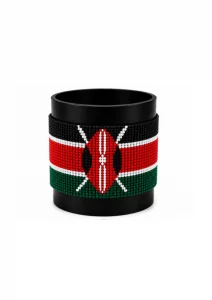
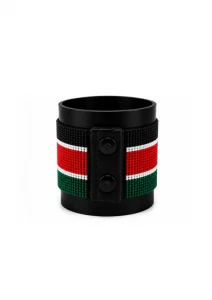
A Kenyan flag bracelet is a beaded wristband carrying the black, red, green, and white colors of Kenya’s national flag, worn as a marker of national pride, heritage, and belonging. It represents national pride and identity through the colors of Kenya’s flag: black for the people, red for the independence struggle, green for the land, and white for peace.
The design traces back to Maasai beadwork traditions and has grown into a global symbol, worn by Kenyans at home and abroad and by international visitors who want to carry a piece of the country with them.
Quick summary:
What a Kenyan Flag Bracelet Represents
Each strand of beads follows the same color order as the national flag, and each color carries a distinct meaning rooted in the country’s history. Black stands for the people of Kenya, and red marks the struggle for independence, along with the blood shed during that struggle. Green refers to the land and its natural wealth, while the white edging between the bands stands for peace.
The flag itself was adopted on December 12, 1963, the day Kenya gained independence from British colonial rule. Tom Mboya played a major role in designing it, basing the tricolor structure on the flag of the Kenya African National Union, the party that led the independence movement. At the center sits a Maasai shield with two crossed spears, a design element intended to represent unity without tying the flag to a single political faction. That shield motif also frequently reappears in the bracelet’s more elaborate versions, sold as “Signature” designs by makers such as Adimu Collections.
Beadwork Roots: From Maasai Craft to National Symbol
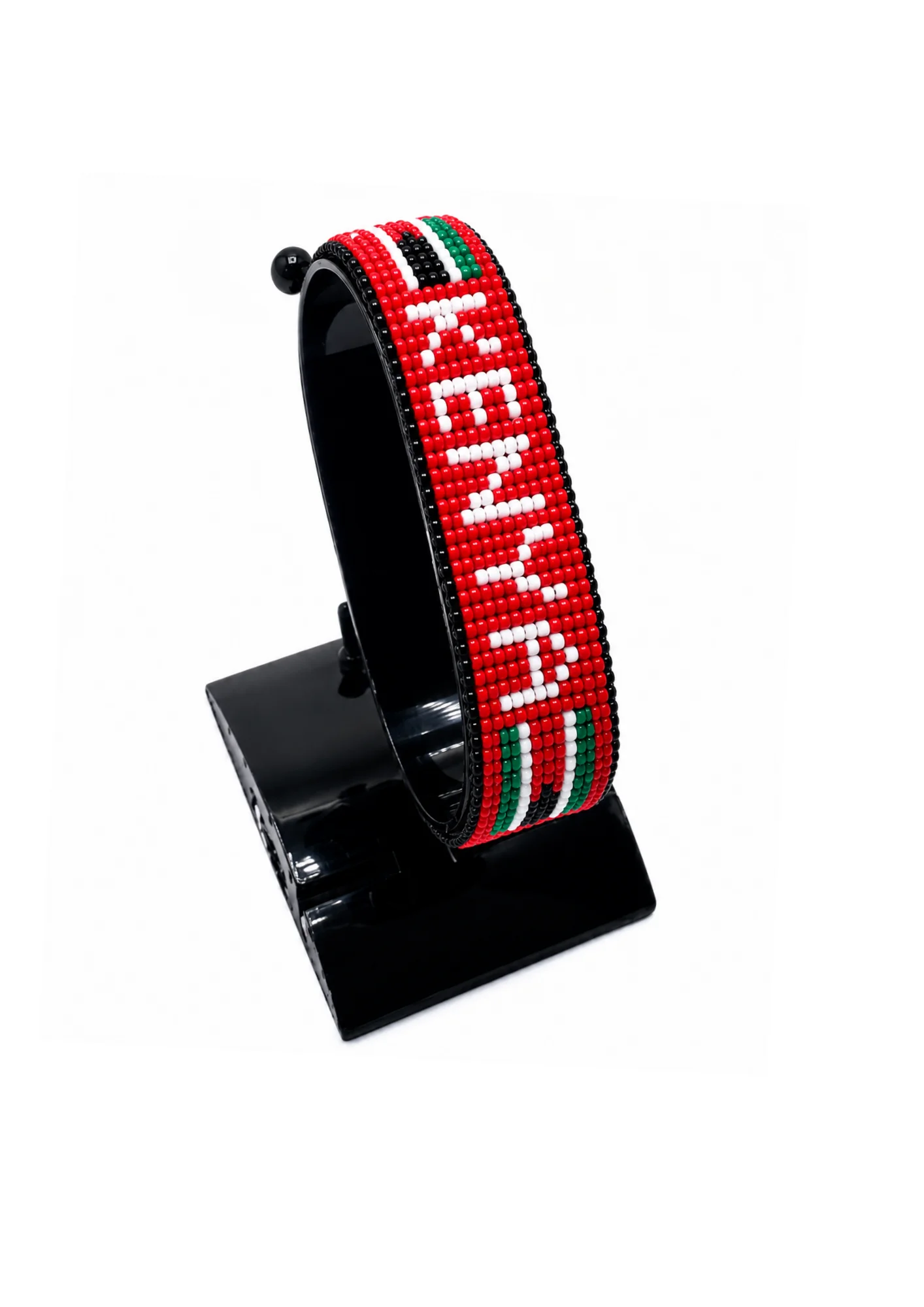
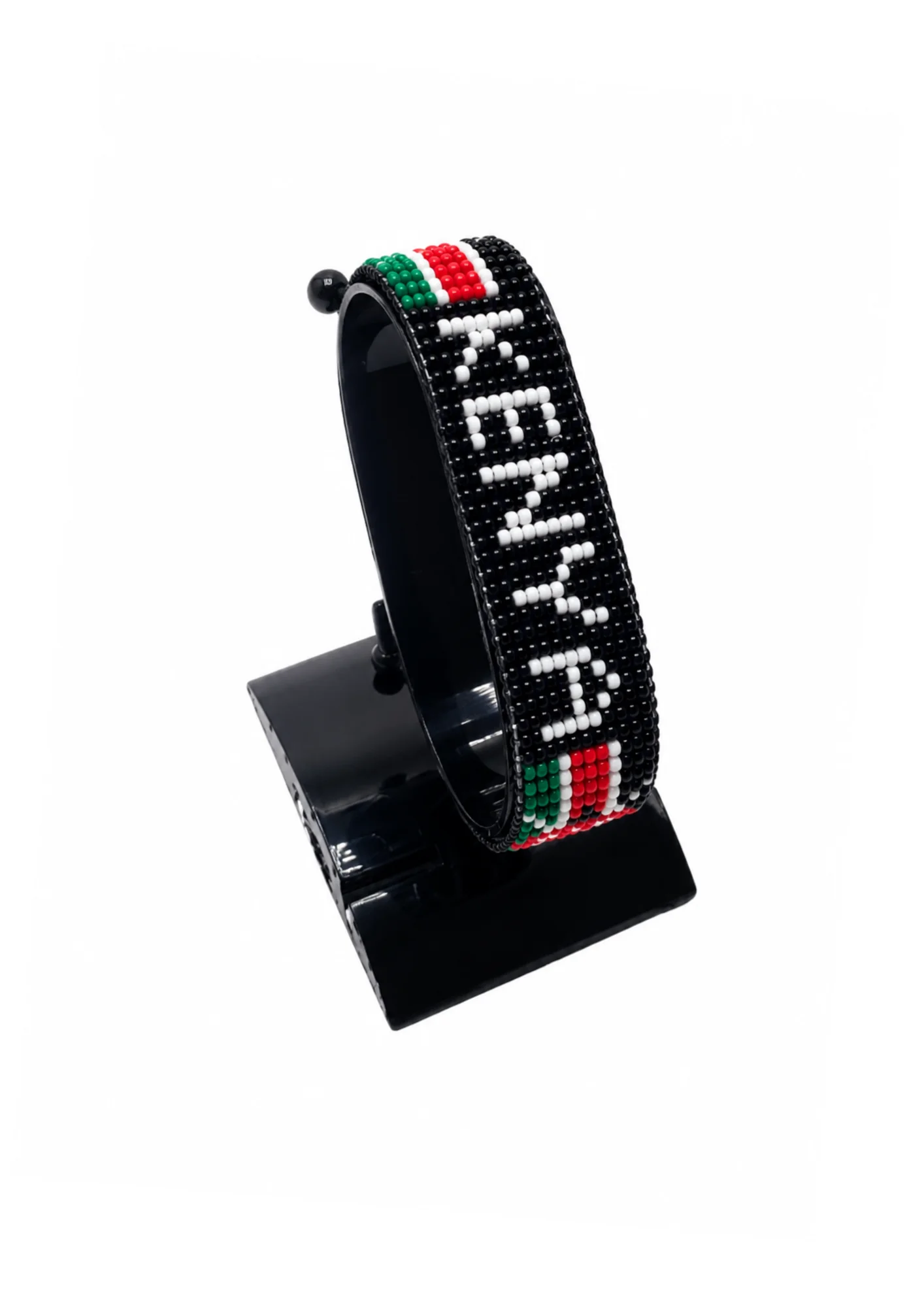
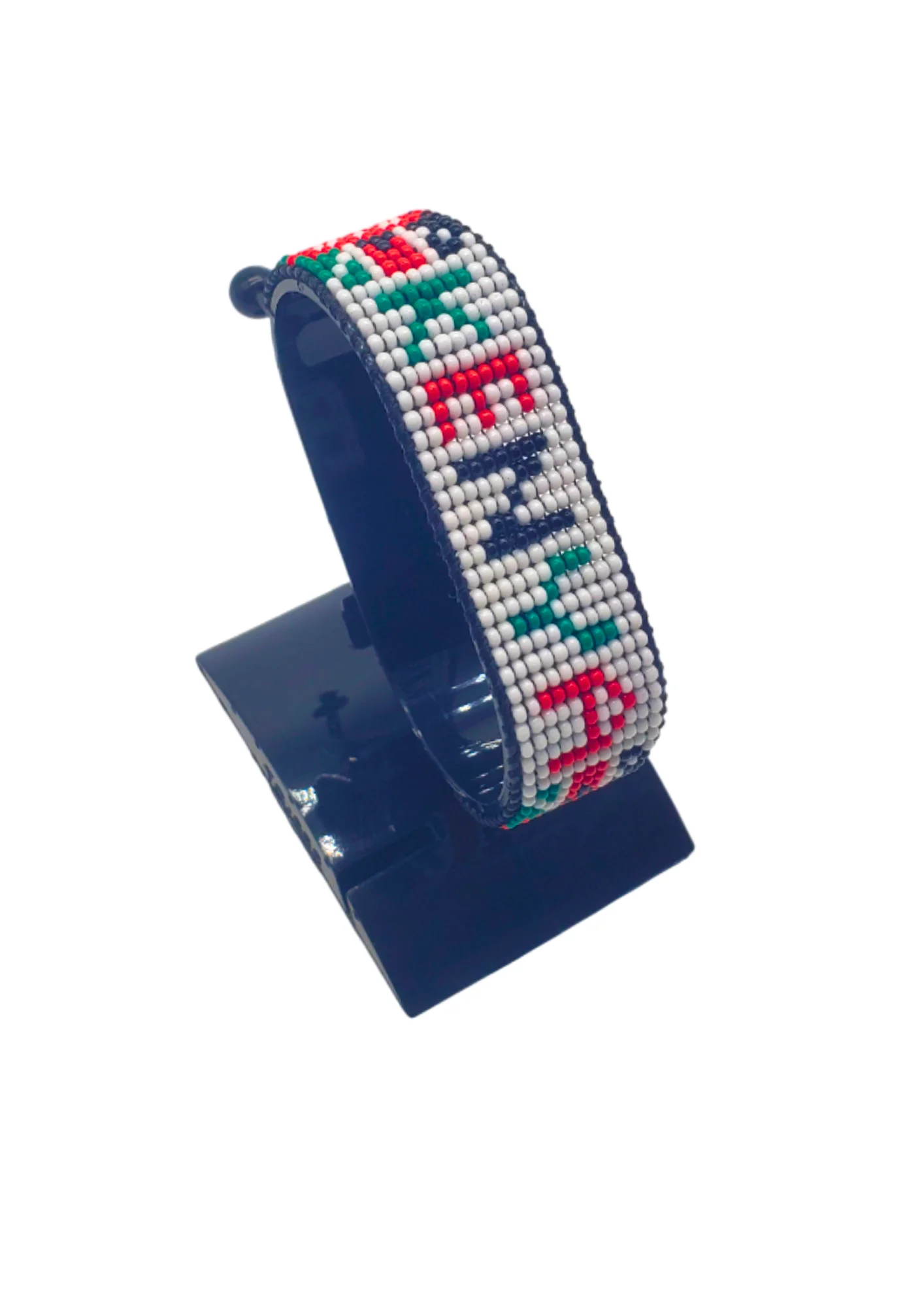
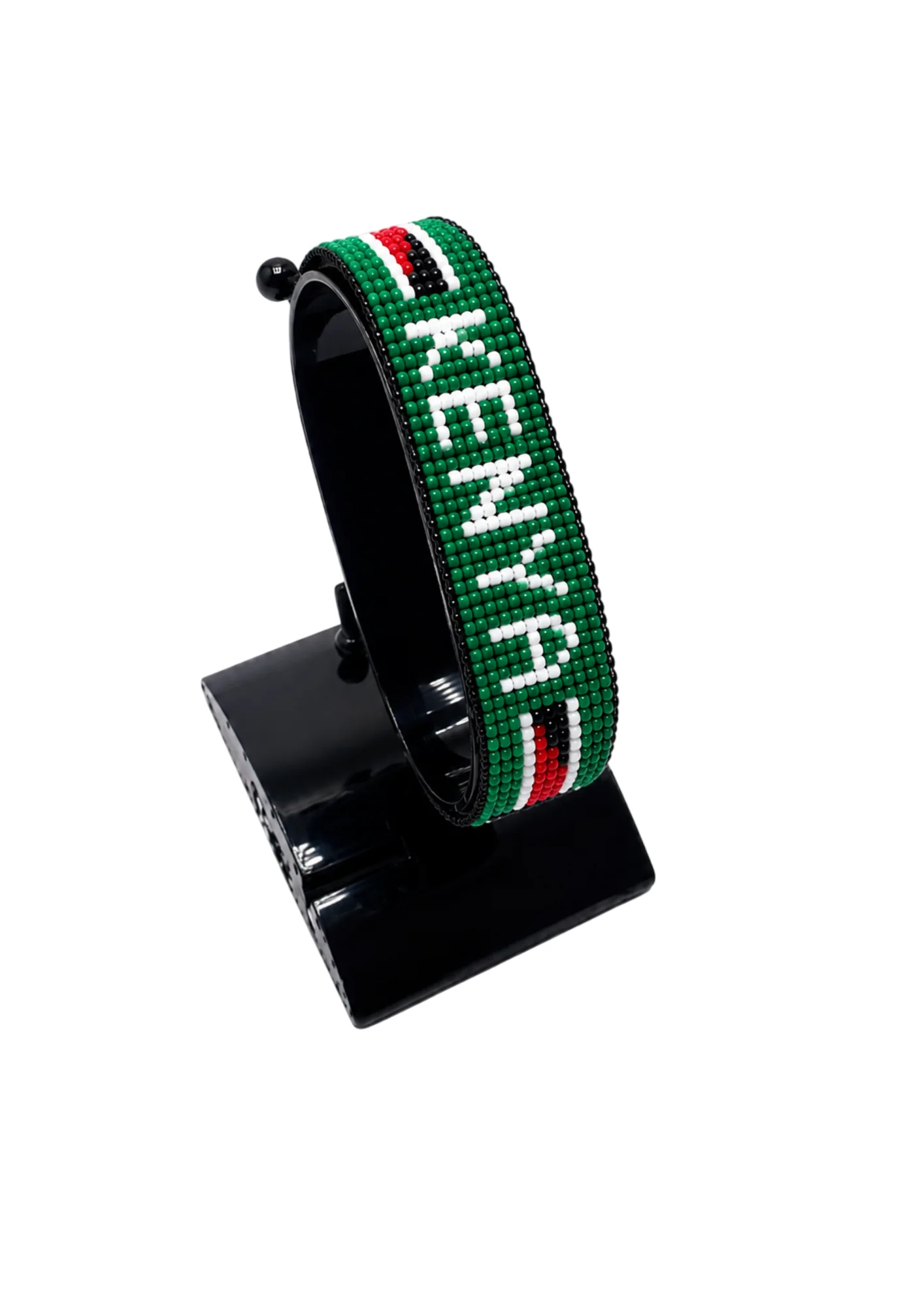
Long before it appeared on a wristband, beadwork held cultural weight in Kenya, particularly among Maasai communities, where it functioned as a marker of identity, age, and social standing. The flag bracelet grew out of that tradition. Artisans adapted beading techniques once used for ceremonial and social purposes and applied them to the national colors, producing a small object that links traditional craftsmanship to a modern form of patriotic expression.
Museum collections have taken note of this shift. A catalogue entry from the Aegis Digital Museum describes a Kenyan beaded bracelet as expressing pride, unity, and cultural identity through its use of the national colors, treating it as more than jewelry.
Why the Bracelet became a Global Symbol of Kenyan Pride
The bracelet’s international profile grew sharply after a widely covered visit from streamer IShowSpeed. During his stop in Nairobi, he received what local media described as a “National Welcome Pack,” which included a Maasai shuka, street food, and a beaded bracelet in the flag’s black, red, green, and white. He kept wearing it through the rest of his Africa tour, including stops in Ethiopia, Algeria, Egypt, and Morocco, and Kenyan outlets tracked the bracelet’s appearances closely.
Local commentary framed the bracelet as something closer to proof of a visit than a fashion accessory. Unlike a passport that stays tucked away, the bracelet stays visible, and Kenyan writers described it as a quiet way of showing that a visitor had experienced the country firsthand.
The moment also stirred discussion outside traditional media. Community forums such as Reddit’s r/Kenya have hosted threads asking directly whether it is appropriate to wear the bracelet and what doing so signals, a question that resurfaces whenever the item gets attention on a global stage. The recurring theme across these discussions is less about rules and more about intention: whether the wearer has a real connection to Kenya, whether they visited, or whether they simply admire the country from a distance.
The Bracelet in the Diaspora
Kenyans living abroad have adopted the bracelet as a portable marker of home. It shows up on commuters, students, and professionals far from Nairobi, serving as a quiet signal to other Kenyans and as a conversation starter with people unfamiliar with the country. One traveler and blogger described meeting three separate families through conversations sparked by her own bracelet, all initiated by someone asking what the colors meant.
This diaspora use extends the bracelet’s original purpose. At home, it already crosses class, ethnicity, and political affiliation, appearing at weddings, football matches, and protests alike, without carrying the weight of an official state symbol. Abroad, it takes on an added function: connecting Kenyans to each other and introducing outsiders to a piece of the country’s visual identity.
How Kenyans Wear and Style the Bracelet
Most wearers treat the bracelet as a daily fixture rather than an occasional accessory. Many people never take it off, since adjustable and knitted designs are made to fit snugly and stay on for months or years at a time. Some children wear the same bracelet as they grow, and the beadwork simply expands with them.
Styling tends to favor simplicity. Because the bracelet already carries four colors, most Kenyans avoid pairing it with other bold patterns, letting the beads stand on their own against plain clothing. Adjustable versions work for daily wear, while the more detailed Signature and long-neck styles suit dressier occasions or gifting.
Where to Get an Authentic Kenyan Flag Bracelet
Adimu Collections handcrafts Kenyan flag bracelets using the same beadwork techniques described above, available in adjustable plain, country-name, and Signature long-neck styles. Each piece follows the flag’s exact color order and is made to order.
Frequently Asked Questions
– What does the Kenyan Flag Bracelet mean?
It represents national pride and identity through the colors of Kenya’s flag: black for the people, red for the independence struggle, green for the land, and white for peace.
– Where does the design come from?
The bracelet developed from Maasai beadwork traditions, which historically marked identity and social status, later adapted to reflect the national flag’s colors and pattern.
– Can non-Kenyans wear the Bracelet?
Yes. It is widely sold as a souvenir and cultural item, and many international visitors and public figures wear it as a sign of appreciation for Kenya after visiting the country.
– Why did the Kenyan Bracelet go viral?
Streamer IShowSpeed wore his bracelet throughout an Africa-wide tour after receiving it in Nairobi, which drew sustained attention from Kenyan media and social media users tracking his travels.
Information Sources
- Flag of Kenya — Wikipedia
- Beyond the beads: Why the Kenyan bracelet is the world’s favourite ‘stamp of approval’ — The Star
- From Nairobi to Morocco: IShowSpeed’s Kenyan bracelet steals the spotlight — The Star
- The quiet power of Kenya’s bracelet — Africa Briefing
- Country of Origin…Kenya Flag Bracelets — Shiko Clayton
- r/Kenya: Do you wear the Kenya flag bracelet? What does it mean? — Reddit